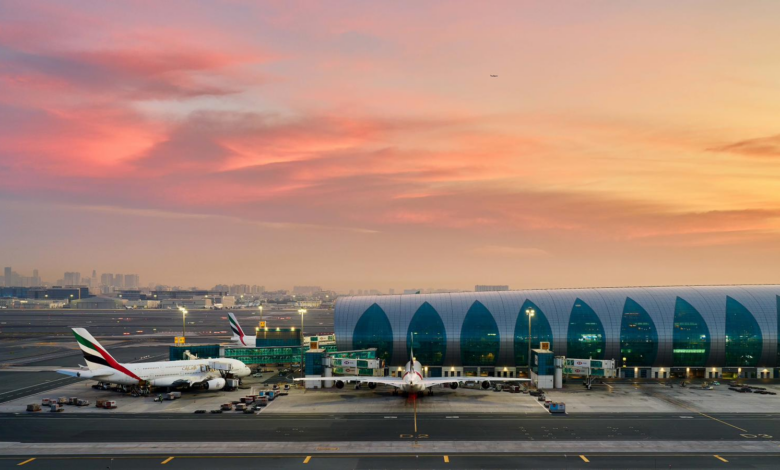
Air ticket prices between Asia and Europe have surged following the closure of key Middle Eastern aviation hubs amid the ongoing U.S.–Israel conflict with Iran, severely disrupting one of the world’s busiest long-haul travel corridors. According to Reuters, the shutdown of major Gulf hubs such as Dubai—normally the world’s busiest international hub handling more than 1,000 flights daily—has significantly reduced capacity on routes linking Europe with Asia and Australia.
The disruption has particularly affected routes where Gulf carriers such as Emirates and Qatar Airways typically dominate. With Middle Eastern airspace largely unavailable, airlines have been forced to cancel flights or reroute services, causing ticket shortages and rapidly rising fares across multiple routes.
Australian travel company Flight Centre Travel Group reported a 75 percent surge in calls to its stores and emergency assistance lines since the crisis began. Global Managing Director Andrew Stark said many travelers are rebooking flights through alternative hubs in China, Singapore and the United States.
Passengers have been heavily impacted by the disruption. Charlotte Kennard and her father Richard, who were scheduled to fly from Birmingham to Sydney via Dubai on Emirates, found their flight cancelled upon arrival at the airport. They eventually secured one-way seats on a Singapore Airlines flight from London for £1,900 per ticket. Kennard said fares had surged dramatically compared with previous prices and were far higher than their original return tickets.
With the Middle East largely closed to air traffic, some airlines are rerouting flights north via the Caucasus and Afghanistan or south through Egypt, Saudi Arabia and Oman. These longer routes increase flight times and fuel consumption, pushing operational costs higher at a time when oil prices are also rising.
Subhas Menon, head of the Association of Asia Pacific Airlines, warned that the widespread airspace closures could undermine airline profitability and reduce global connectivity if operations to Europe remain significantly more expensive.
Aviation consultancy Alton Aviation said carriers offering non-stop services or alternative routing outside the Middle East—including Cathay Pacific, Singapore Airlines and Turkish Airlines—may see short-term demand increases as passengers avoid Gulf hubs.
Checks of airline booking systems show limited seat availability and sharply higher fares. Cathay Pacific had no economy seats available between Hong Kong and London until March 11, with one-way tickets priced above HK$21,000. Qantas also showed no economy availability on Sydney–London routes until March 17.
Thai Airways reported that Europe-bound flights are fully booked as travelers choose direct routes instead of transiting through the Middle East. Taiwan’s EVA Air also said bookings for Europe flights have surged as passengers seek alternative routing options.